Wisdom teeth
Impacted or partly erupted wisdom teeth may cause recurring infection, food trapping, decay, gum problems, or damage to a neighbouring tooth.
Plan carefully. Treat precisely. Recover with clarity.
Oral surgery may be needed when a tooth, infection, or soft-tissue concern cannot be managed predictably with simpler care. Imaging and diagnosis determine the safest approach.
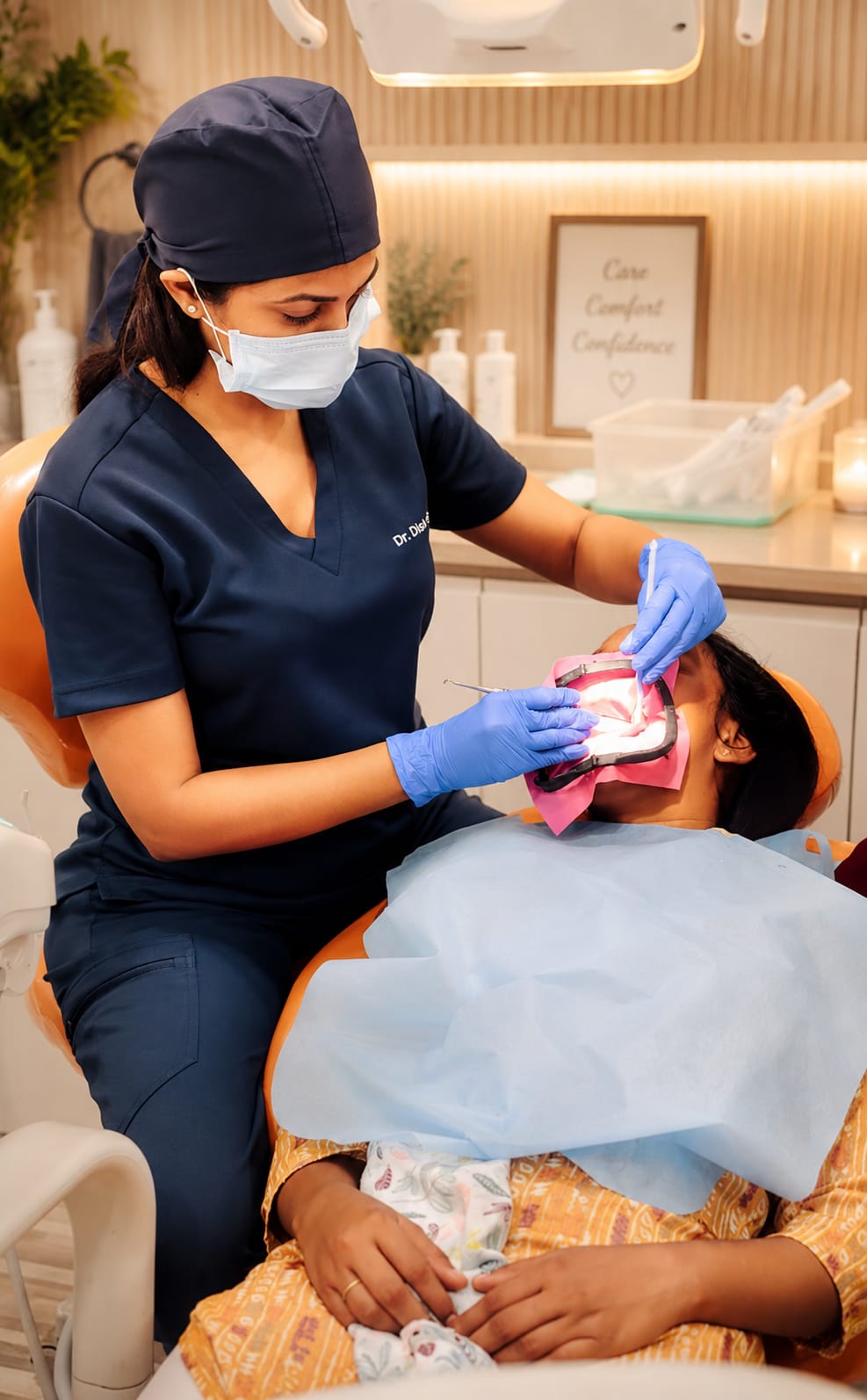
Dental surgery includes procedures involving teeth, bone, or oral soft tissues. The scope ranges from a difficult extraction to selected minor surgical treatment.
Impacted or partly erupted wisdom teeth may cause recurring infection, food trapping, decay, gum problems, or damage to a neighbouring tooth.
A broken, severely decayed, root-treated, or unusually positioned tooth may need a surgical rather than routine extraction approach.
Dental imaging helps assess roots, bone, infection, tooth position, and proximity to important structures before treatment.
Soreness and swelling vary with complexity. Instructions cover food, cleaning, activity, medication, warning signs, and follow-up.
Recurring infection, damage to another tooth, an unrepairable fracture, or planned restorative care may also require surgical evaluation.
Oral surgery at InstaSmiles Dental focuses on procedures such as impacted wisdom tooth removal, surgical extractions, minor soft tissue procedures, and related treatment planning with comfort and safety in mind.
Symptoms, imaging, and complexity are reviewed before surgery is planned.
The procedure, anaesthesia, and expected healing are explained in advance.
The treatment is performed with attention to precision, hygiene, and tissue handling.
Patients receive post-operative instructions, medication guidance, and follow-up timing.
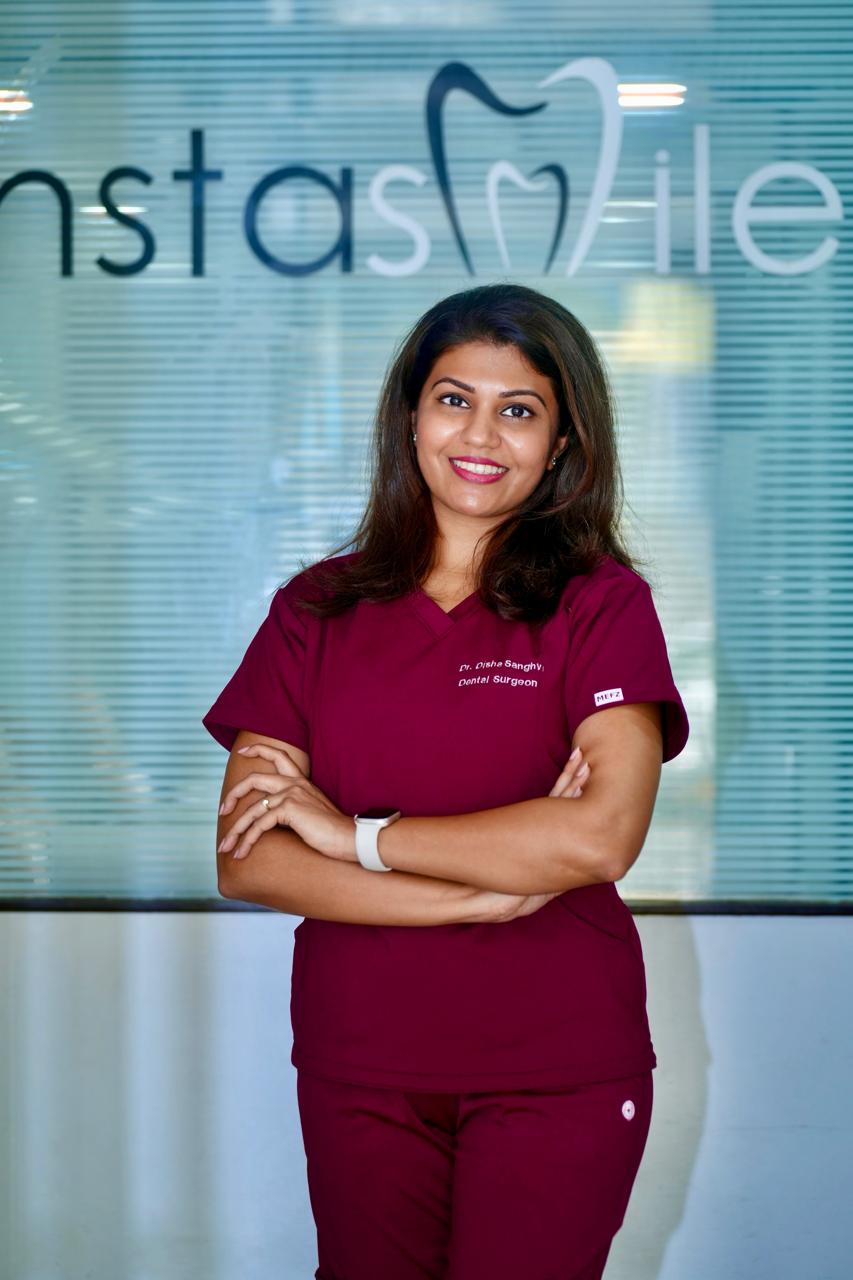
Dr. Disha Sanghvi, B.D.S. (MUM), Gold Medalist, begins with diagnosis and a discussion of what you want to improve. Treatment is recommended only after the health of the teeth, gums, bite, and long-term maintenance needs are considered.
This page provides general patient information and does not replace an examination, diagnosis, or individual treatment advice.
A patient visiting from Switzerland shares her personal surgical experience. Complexity, recovery, and outcomes vary.
Everything went perfectly well.
Surgical dental care needs realistic recovery time. International visitors should not schedule a difficult extraction or wisdom-tooth procedure immediately before a long flight without clinical guidance.
Share recent imaging, symptoms, previous infection, medical conditions, medicines, allergies, and any advice already received about the tooth or procedure.
Imaging and examination determine complexity, anaesthesia planning, expected recovery, and whether review is advisable before departure.
Follow written instructions and know the warning signs that require urgent assessment. Flying and travel timing should be discussed for the individual procedure.
Final treatment, fees, appointment count, healing time, and fitness to travel can only be confirmed after appropriate clinical and imaging assessment. Outcomes vary by diagnosis and individual healing.
She focused on what was truly needed.
Patient stories describe individual experiences and do not guarantee another patient’s treatment or result.
Good surgical planning minimizes unnecessary trauma, supports smoother healing, and ensures the next phase of care can be carried out efficiently.
Contact the clinic if bleeding does not settle, swelling rapidly worsens, fever develops, pain increases after initially improving, or another advised warning sign appears.